Method Acting:
When the Character Shapes the Actor
What happens when an actor not only plays a role, but becomes it? How does this constant immersion ripple into the psyche of the actor themselves? To explore this, we’ve viewed method acting through the lens of Carl Jung’s theories of the mind—particularly his concepts of the ego, the persona (facade), and the deeper layers of the psyche.
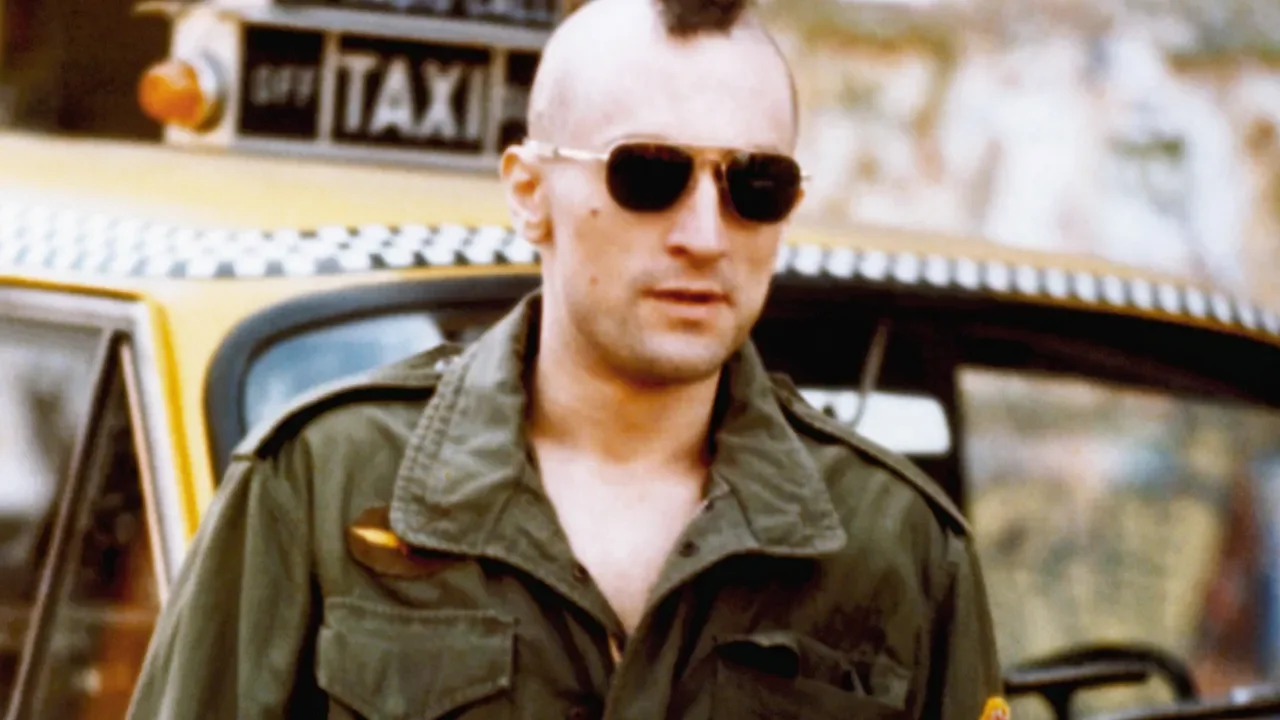
Method acting has long been celebrated as one of the most immersive approaches to performing. From Johnny Depp to Robert DeNiro, some of the most lauded names in cinema have sworn by it. But while audiences marvel at the authenticity of these portrayals, fewer consider the profound psychological impact of such an intense practice.
Unless you’re an infant - love you though - you remember Heath Ledger and the battle he faced with being consumed by the Joker.
Consumed by the absorption of insanity. He lost his sanity. (So we assume…).
What is Method Acting?
I first came across the term while doing a high-school biography assignment on a famous Australian. Of course, I chose Heath Ledger. Not only was he gorgeous, but he was also incredibly talented. I happened to undertake the assignment just before his passing. I expressed method acting as an incredible immersion into a character that spanned over the entire duration of the film. How fascinating the dedication, commitment, discipline, and focus to simply become someone else for an amount of time required of you.
Method acting is an approach where the actor immerses themself into every detail of the character through lived experience, memory and imagination. The goal is to embody the character as completely as possible. This requires a deep emotional recall, sensory immersion, and sometimes adopting behaviours, mannerisms and routines of a character outside of performance time.
Much like manifesting the life you want to live… hmm…
For some actors, like Heath, this meant never “breaking character” during a production. They carry their role with them long after they leave the set, blurring the line between their own identity and the identity constructed for a role. It wasn’t until after his passing that we considered the detriment of this rapid transformation and the potential implications it could have on your psyche and external reality.

Jung’s Map of the Mind
Carl Jung, the Swiss psychiatrist and psychoanalyst, believed the human psyche was made up of several interconnected parts. Two of the most relevant in this context are:
The Ego: our conscious sense of self, the “I” that defines who we believe we are. This is our identity or personality.
The Persona (Facade): the social mask we wear to meet the expectations of the world around us. It’s not the whole truth of us, but rather a performance we give to function in society.
Jung suggested that while the persona is useful, becoming overly identified with it can cause a split in the psyche, leading to alienation from the authentic self.
Now consider what happens when a method actor steps into a role: their persona shifts dramatically. Instead of a personal social mask, they adopt an entirely new one—the mask of their character.
Reinforcement and Ego Absorption
For a method actor, the continual reinforcement of a character’s habits, thoughts, and emotions can begin to reshape the actor’s own ego. In other words, the longer they immerse themselves, the more their “I” adapts to fit the role.
For instance, Heath famously locked himself away to build his portrayal of the Joker in The Dark Knight. The Joker’s mindset and carried elements of the character into his daily life during filming. While his tragic death should never be oversimplified or reduced to method acting alone, his case often sparks discussion about the dangers of total immersion.
When the facade of the character begins to dominate, the ego risks being overshadowed. The actor may feel a sense of loss or disorientation once the performance ends.
Who are they when the mask comes off?
The Tug-of-War Between Self and Character
Jung warned that a rigid identification with the persona prevents integration of the deeper psyche. Similarly, a method actor who never allows themselves to step outside of the role risks weakening the boundary between authentic self and performance self.
This tug-of-war can show up as:
Identity confusion: difficulty distinguishing between the actor’s own desires and those of the character.
Emotional residue: carrying the character’s feelings into personal life, which can be especially heavy when playing roles rooted in trauma or violence.
Social disruption: friends, family, or colleagues may struggle to connect with the actor when the role has taken over their persona.
For actors with strong psychological resilience, the process can enrich their craft without long-term impact. But for others, the constant immersion may feel like an erosion of self.
Transformation or Risk?
Not all effects are negative. Jung himself believed that engaging with different aspects of the psyche—what he called the process of individuation—was essential for growth. A method actor who steps into many roles might actually be broadening their understanding of human nature and expanding their self-awareness.
Yet, the key lies in balance. If the ego is flexible enough to engage with a role while still anchoring to the actor’s authentic identity, the process can be transformative rather than destabilising.
What We Can Learn
Method acting isn’t just a performance technique—it’s a vivid demonstration of how identity is shaped, reinforced, and sometimes destabilized by the masks we wear. Jung’s framework reminds us that everyone, not just actors, have personas they adopt: at work, with family, in relationships. And just like actors, we must be careful not to confuse these masks with our true selves.
For the method actor, the challenge is even greater. To portray a character with authenticity, they must fully commit. But to remain healthy, they must also know how to step back, remove the mask, and return to their own ego without losing clarity of self.
In the end, method acting reveals a paradox: the deeper an actor dives into someone else’s psyche, the more careful they must be to protect their own.